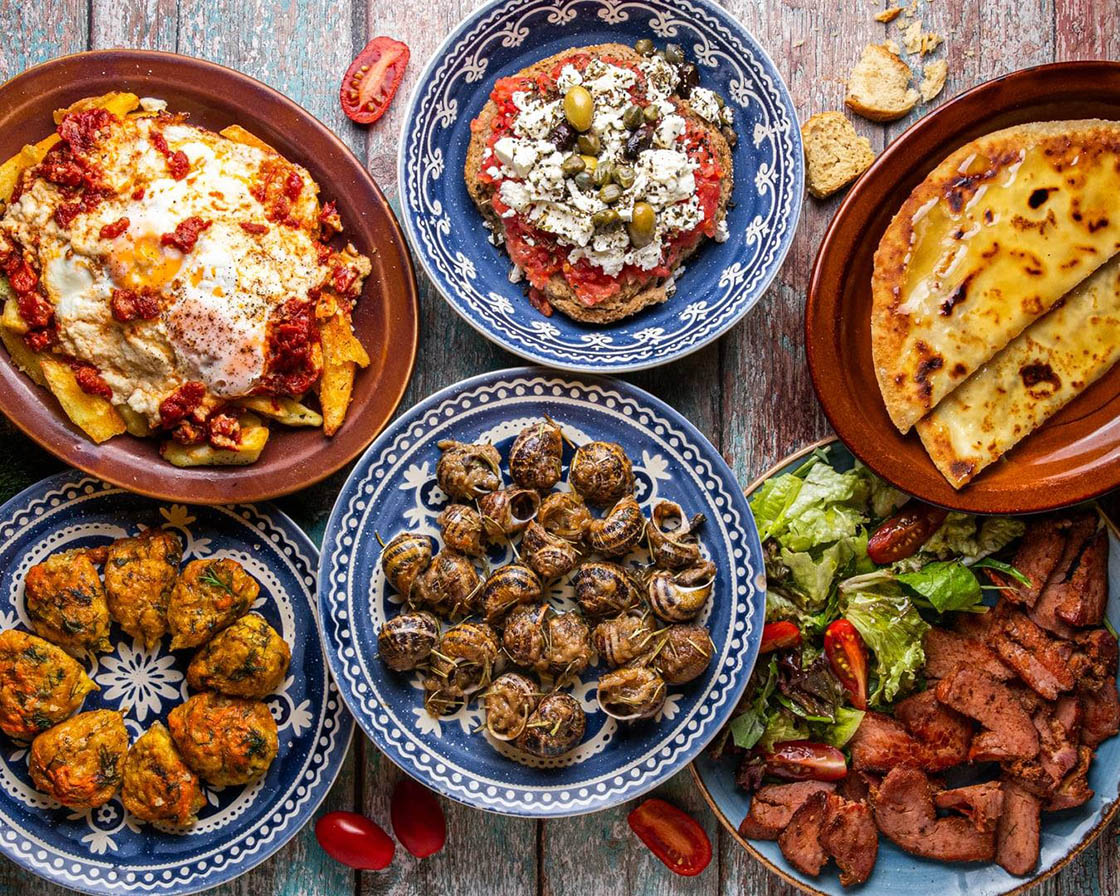
Girit, güneşten, topraktan ve yüzyıllardır süregelen geleneklerden dokunmuş canlı bir duvar halısı gibi gözler önüne seriliyor. Manzaraları, köyleri, üzüm bağları ve zeytinlikleri, yemeğin sadece besin değil, aynı zamanda miras, anı ve kimlik olduğu bir öykünün karakterleri haline geliyor!
Girit'in zengin gastronomi mirasını geleneksel ürünleri, yerel malzemeleri ve zamansız mutfak kültürüyle keşfedin ve ünlü yemeklerinin bazı sırlarını öğrenin. Girit Diyeti. Zeytinyağı, otlar, bal, peynirler, şaraplar, deniz ürünleri ve kadim yemek geleneklerinin adanın eşsiz Akdeniz diyetini ve canlı Girit yaşam tarzını nasıl şekillendirdiğini keşfedin.
Heraklion yükselirken UNESCO Gastronomi Şehri, Girit halkı, kadim tarım, misafirperverlik ve paylaşımlı yemek geleneğini yaşatmaya devam ediyor. Yabani dağ otlarından altın sarısı zeytinyağına ve kekik kokulu bala kadar her ürün, toprağın sesini taşıyor ve gezginleri Girit'i ziyaretçi olarak değil, zamansız bir Akdeniz evinde ağırlanan misafirler olarak tatmaya davet ediyor…
Girit'in gastronomi zenginliğinin panoraması
ile Nektaria Maragianni – (https://www.travel.gr/food_and_drink/food-culture/to-panorama-toy-gastronomikoy-ployto/)
23-29 dakika okuma süresi
O Heraklion Belediyesi, Girit adasının başkenti, bölgenin gastronomi zenginliğini öne çıkaran dijital uygulamaların geliştirilmesi için elektronik ortamda halka açık bir ihale süreci yürütüyor.
Amaç, yerel ürünlere ve bunların değerine vurgu yapan, Heraklion'un gastronomi kimliğini sergileyen bir çevrimiçi portal oluşturmaktır. UNESCO Dünya Gastronomi Şehri. Ayrıca, gastronomi zenginliğini tanıtmak amacıyla bir dizi dijital faaliyet de hayata geçirilecek; bu faaliyetler arasında ürünlerin üretimi ve ticaretiyle ilgili geleneklerin kaydedilmesi, dijital olarak gösterilmesi ve sunulması yer alacak. Antik çağlardan günümüze yerel ürünleri öne çıkaran yapay zeka uygulamalarının ve kamusal alanlarda kullanılabilen etkileşimli araçların geliştirilmesine özel önem verilecek.

Amaç, birincil üretimi turizmle birleştirmek, turizm ve tarım-gıda arasında sinerji yaratmak ve Heraklion'un kültürünü ve tarihini yerel ürünleriyle ilişkilendirerek, UNESCO'nun Yaratıcı Şehirler ağı aracılığıyla belediyenin gastronomi markasını daha da güçlendirmektir.
Heraklion – Dünyanın Gastronomi Şehri
O UNESCO Yaratıcı Şehirler ağı, 2004 yılında oluşturulan bu ödül, edebiyat, müzik, tasarım, sinema, medya sanatları, gastronomi, el sanatları ve halk sanatı olmak üzere yedi tematik alanda öne çıkan dünya çapındaki şehirleri içermektedir. Heraklion, 2023 yılında küresel olarak tanınan yedi şehir arasında yer almıştır. Gastronomi Dünya Şehirleri, İlgili tüm kuruluşlarla iş birliği içinde, sürdürülebilir bir uluslararası gastronomi merkezi olarak kendini konumlandırmayı hedefliyor.

Heraklion'un UNESCO Yaratıcı Gastronomi Şehri olarak tanınması, belediyenin gastronomi ve tarım-gıda sektörünü turizm politikasının merkezine yerleştirme kararını ödüllendiriyor. Bu, Girit mutfağının ve yerel ürünlerin tanıtımının Heraklion'un turizm markasını güçlendirmede önemli bir unsur olabileceğini ve olması gerektiğini teyit ediyor. Ayrıca, 5.000 yıllık tarihi ve sürekli kültürel varlığıyla çok boyutlu bir yer olan Heraklion, sürdürülebilirlik ve dayanıklılığa dayalı kentsel gelişim eylemleri uyguluyor. Bu girişim, dijital medya, artırılmış ve sanal gerçeklik ve yapay zeka aracılığıyla Heraklion'u bir gastronomi şehri olarak tanıtma çabalarını sürdürüyor ve güçlendiriyor.
Heraklion'un zeytinyağı, şarap, bal, süt ürünleri, şifalı otlar, meyveler, sebzeler ve bunlardan elde edilen ürünler gibi ham maddelerinin gastronomi zenginliği, eşsiz bir beslenme modeli yaratıyor.
Heraklion'un zengin gastronomi mirası, malzemeler, teknikler, tarifler ve hinterlandının daha geniş yemek kültürü de dahil olmak üzere korunabilir ve paylaşılabilir; böylece ziyaretçiler, yiyeceklerin kaynağı ve yüzyıllardır süregelen gelenek olan toprak ve doğayla doğrudan temas kurabilirler.
Gastronomi turizmi, bir bölgenin yerel gastronomi özelliklerini öne çıkarmayı amaçlayan alternatif bir turizm biçimidir. Son yıllarda o kadar ivme kazandı ki, ziyaretçilere çok çeşitli gastronomi deneyimleri sunuluyor. Heraklion, geleneksel ve modern mutfağını sergileyebilir, kendine özgü bir gastronomi kimliği geliştirebilir ve güçlü bir gastronomi turizmi destinasyonu olarak ortaya çıkabilir.
Girit diyetinin felsefesi
O Girit Diyeti Girit, sakinlerinin yaşam tarzını yansıtan, yemeğin bütün bir kültürü kapsadığı bir yaşam felsefesini somutlaştırıyor. Yüzyıllardır aktarılan tariflerle modern yaratıcı dokunuşların birleştiği, sağlıklı ve lezzetli yemekler, her zaman Girit'in bereketli topraklarının yüksek kaliteli, saf ürünleriyle hazırlanıyor. Ziyaretçiler -ister modern şehir restoranlarında ister kırsaldaki küçük meyhanelerde ve kafelerde olsun- unutulmaz anlar yaşıyor ve adanın "iyi yaşamının" bir parçası oluyorlar.“
Giritliler zaman içinde konuklarını ağırlama konusunda ustalaşmışlardır; bu onlar için sadece bir alışkanlık değil, bir sunudur. Bu kutsal sunu içinde, Girit topraklarının cömertçe sunduğu zeytinyağı, buğday, şarap, bal, yeşillikler ve aromatik otlara dayalı eski beslenme gelenekleri gelişmiştir; bu da uzun süreli bilimsel araştırmalarla sağlık yararları ve besin değeri kanıtlanmış Girit mutfağının temelini oluşturmuştur.
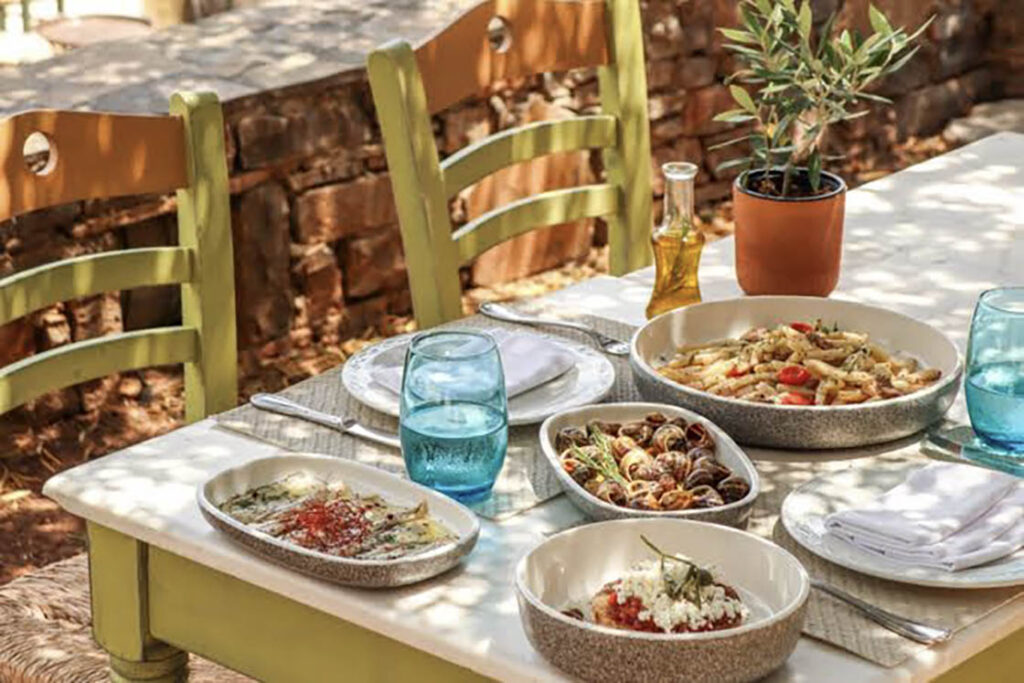
Girit genelinde, hem turistik bölgelerde hem de iç kesimlerdeki köylerde, ziyaretçiler güzel geleneksel konukevlerinde mükemmel Girit mutfağının ve misafirperverliğinin tadını çıkarabilirler.
Yerel gıda ürünleri
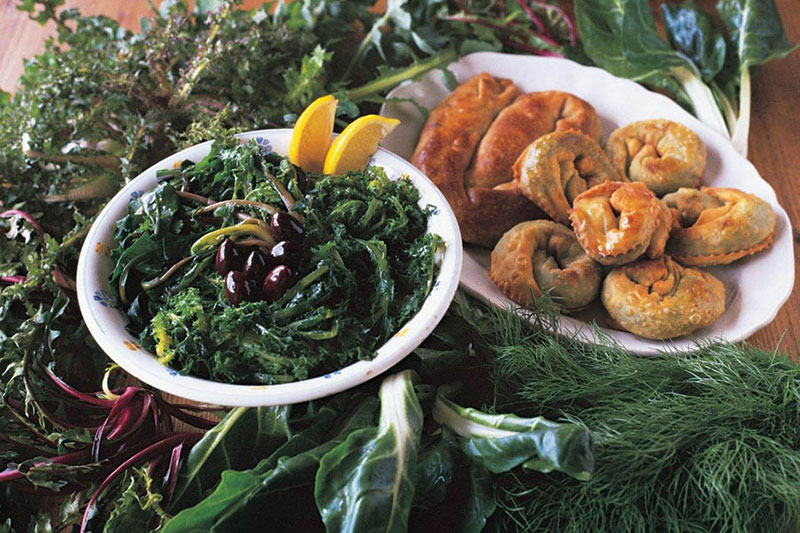
Adanın zenginliği ve ürünlerinin kalitesi, eşsiz bir lezzet, tazelik ve özgünlüğe sahip bir mutfak yaratmıştır. Girit'in doğası gerekli tüm hammaddeleri sağlarken, insan deneyimi de mevsimlerle ve doğal çevreyle uyumlu, benzersiz lezzetler şekillendirir.
Süt ürünleri, bal, aromatik otlar, yeşillikler ve birçok dağ ürünü Girit mutfağının temelini oluşturur. Girit diyeti, sebzeler, baklagiller, meyveler, tahıllar ve zeytinyağına dayanan ve uzun ömür ile refahı destekleyen Akdeniz diyetinin en temsili ve yüksek kaliteli örneği olarak uluslararası alanda kabul görmektedir.
Girit mutfağı, dünyanın en eski ve en lezzetli gastronomi geleneklerinden biridir. Sırrı, zengin yerel ürün çeşitliliğinde ve neredeyse her yemekte zeytinyağı kullanımında yatmaktadır.
Girit zeytinyağının kalitesi
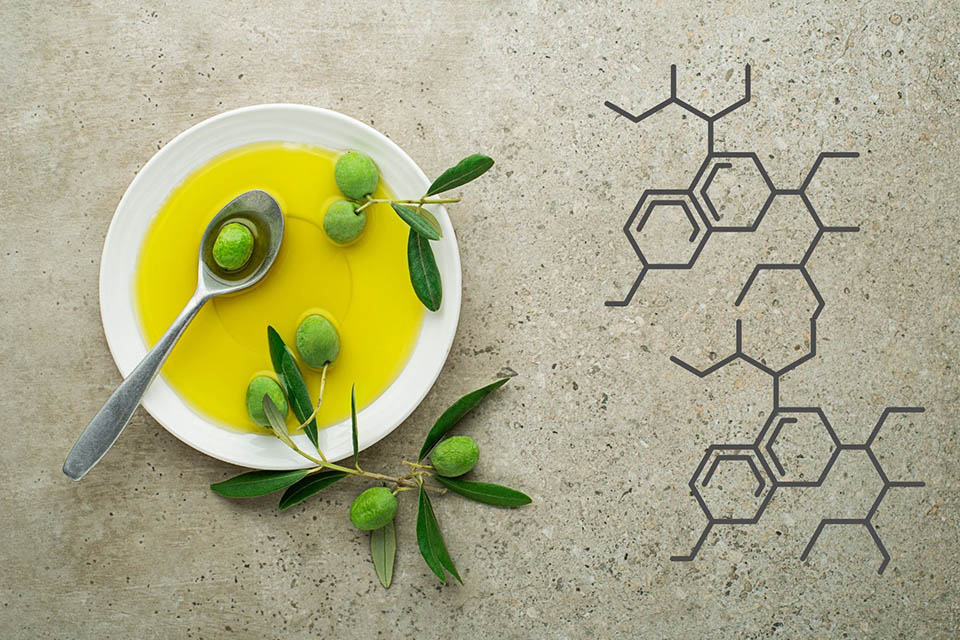
Girit zeytinyağı, özüt veya katkı maddesi kullanılmadan, sadece zeytin sıkılmasıyla elde edilen doğal bir ürün olması nedeniyle dünya çapında ünlüdür. En kaliteli, en hafif ve en lezzetli zeytinyağıdır; hem ürüne hem de tüketiciye saygı duyan üreticiler tarafından özenle yetiştirilir ve saf bir şekilde paketlenir.
Girit'in uçsuz bucaksız tepelerinde, aroması ve tadı zengin, asit oranı düşük ve Girit diyetinin ana yağ kaynağı olan dünyanın en iyi zeytinyağı üretilir. Zeytin hasadı ve zeytinyağı üretimi, neredeyse her Giritli tarafından yapılan bir faaliyettir. İki ana zeytin çeşidi yetiştirilir: "lianes" (küçük ama çok sayıda meyve) ve "tsounates" (kalıcı ağlı daha büyük ağaçlar). Hasat, rakıma bağlı olarak Kasım'dan Şubat'a kadar yapılır.
Zeytinler daha sonra presleme ve özütleme işlemlerinin yapıldığı değirmenlere götürülür; bazıları hala değirmen taşları ve presler (soğuk presleme) kullanırken, diğerleri santrifüjleme veya modern yöntemler kullanır. Elde edilen zeytinyağı besin değerleri ve lezzeti bakımından benzersizdir.
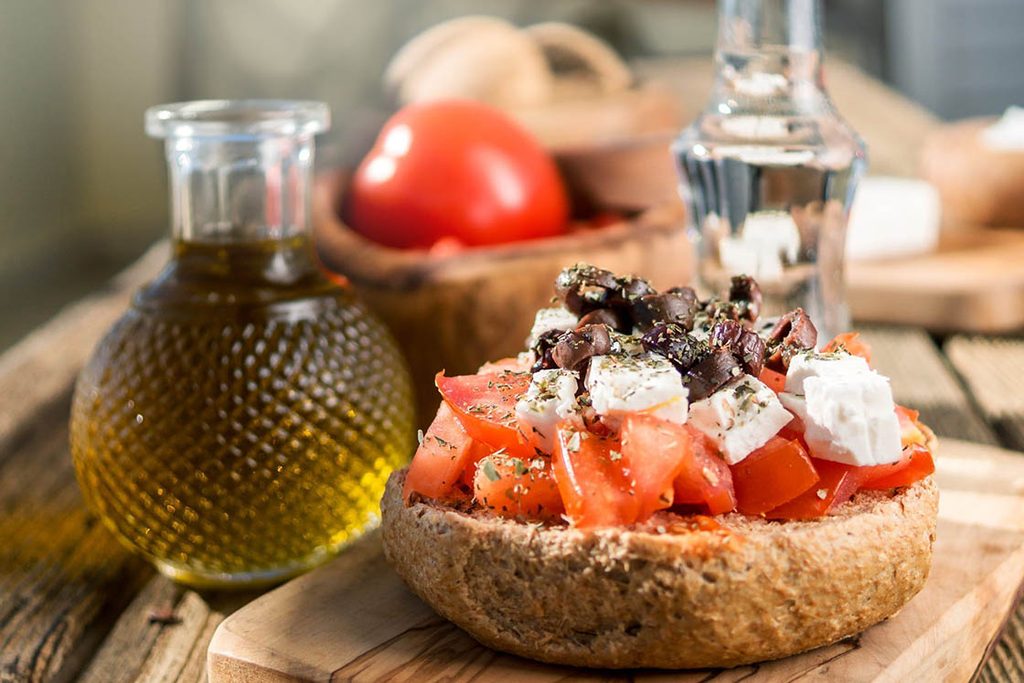
Ayrıca olağanüstü kalitede sofralık zeytinler de üretiliyor: Seliniotikes tuzlanmış zeytinler, siyah salamura zeytinler, neratzolies, dilimlenmiş veya ezilmiş sirkeli zeytinler veya limon suyunda zeytinler - hepsi Girit'in aromasını taşıyor.
Girit mutfağında peynir
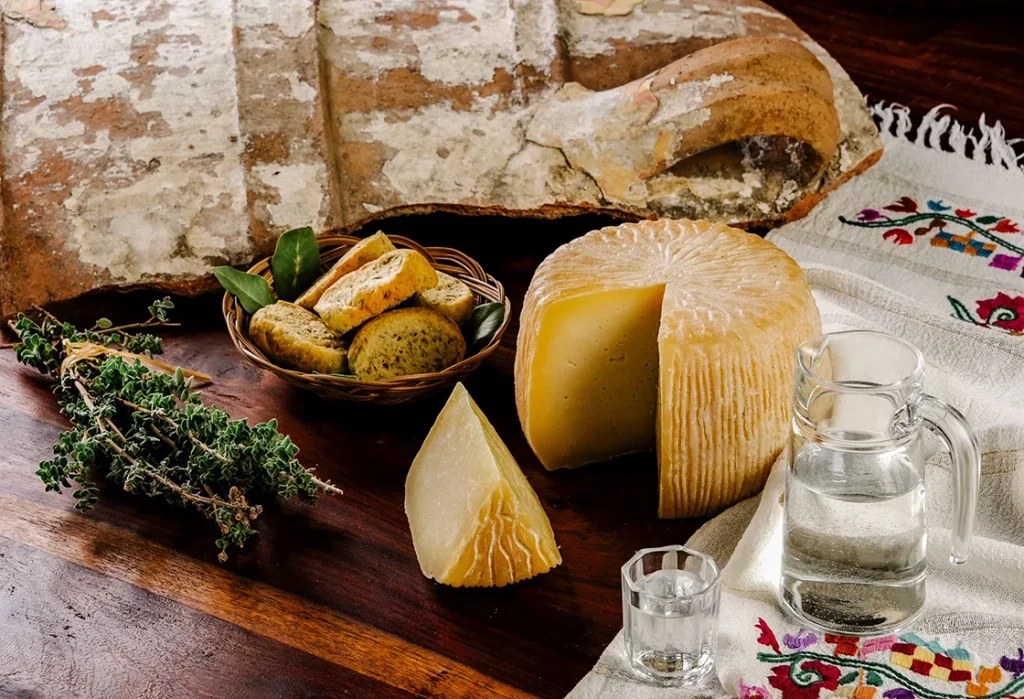
Girit peyniri Kalsiyum ve yüksek kaliteli proteinlerin önemli bir kaynağı olan peynir, Girit mutfağında merkezi bir rol oynar. Peynir doymuş yağ içermesine rağmen, peynir tüketen Giritlilerde yüksek kolesterol seviyeleri görülmez; bu durum muhtemelen genel beslenme düzeninin dengesinden kaynaklanmaktadır.
Keçi ve koyun yetiştiriciliğinin kökenleri çok eskilere dayanmaktadır. Mitolojiye göre Girit süt ürünleri, keçi Amalthea tarafından büyütülen Zeus'u beslemiştir. Hayvancılık, küçük hayvanlara ve serbest otlatmaya dayanmaktadır. Hayvanlar yıl boyunca serbestçe dolaşır, yabani yeşillikler ve otlarla beslenir ve yüksek kaliteli süt ve et üretirler.
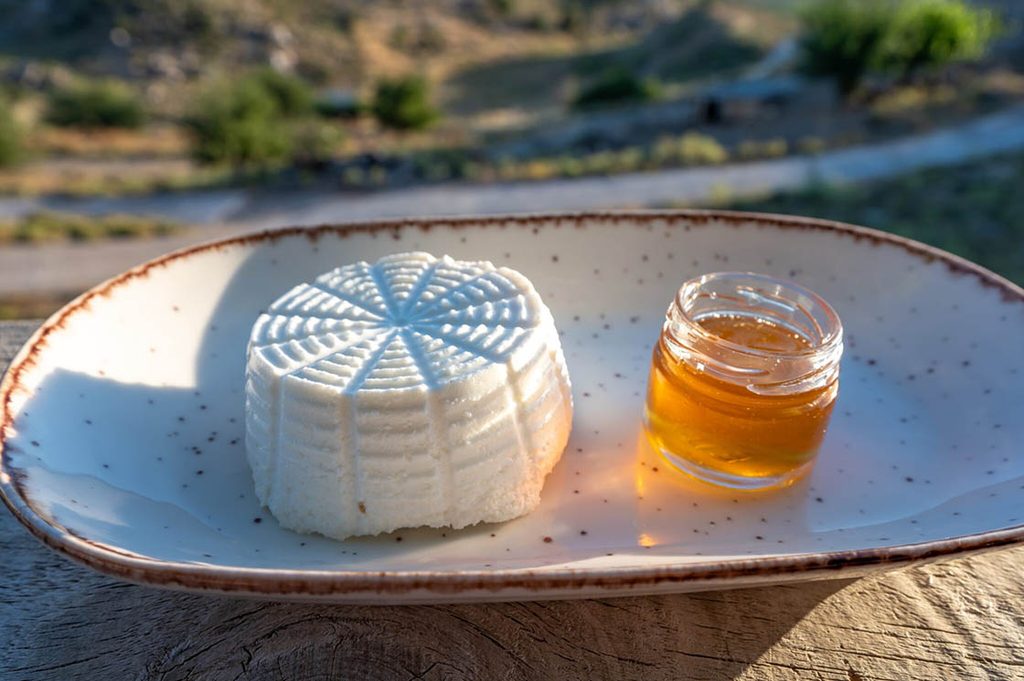
Günümüzde süt, geleneksel yöntemleri koruyan ve sıkı hijyen standartlarını sürdüren modern mandıralarda işlenmektedir. Girit gravierası ve diğer peynirler (kefalotyri, kefalograviera, anthotyro) olağanüstü bir lezzet sunmaktadır.
Et gelenekleri – “Antikristo”
Keçi ve kuzu eti pişirmenin ünlü bir yöntemi olan "antikristo", çoğunlukla iç bölgelerde yaygındır ve çobanların pişirme tekniklerinden kaynaklanmaktadır. Tavşan ve tavuk gibi beyaz etler de yaygındır.
Apaki, syglina, sirke sosisleri
Bu kürlenmiş etler, kekik, adaçayı veya defne yaprağı gibi otlarla tütsülenerek kendilerine özgü bir lezzet kazanırlar. Geleneksel olarak koruma amacıyla kullanılan apaki, günümüzde Yunan yaratıcı mutfağında birçok İtalyan ve İspanyol şarküteri ürününün yerini almaktadır.
Aromatik otlar ve bitkiler
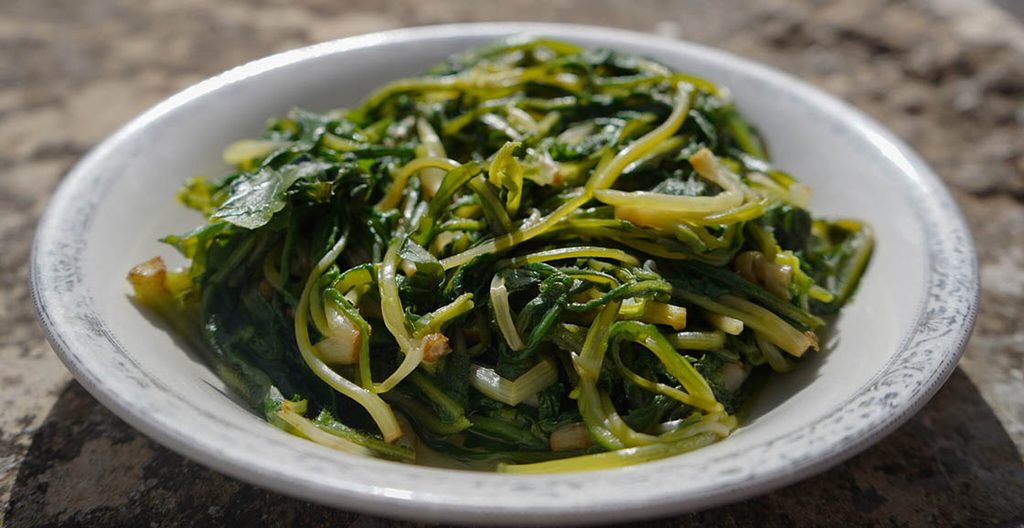
Girit'te her yerde şifalı bitkiler yetişir; dağlarda, tarlalarda, kıyı bölgelerinde. Birçoğu endemiktir ve antik çağlardan beri tıbbi özellikleriyle bilinir. Malotira, mide otları veya adaçayı gibi kış çayları hala yaygındır. Şifalı bitkiler, Girit yemeklerine eşsiz lezzetlerini verir.
Meyve tüketimi
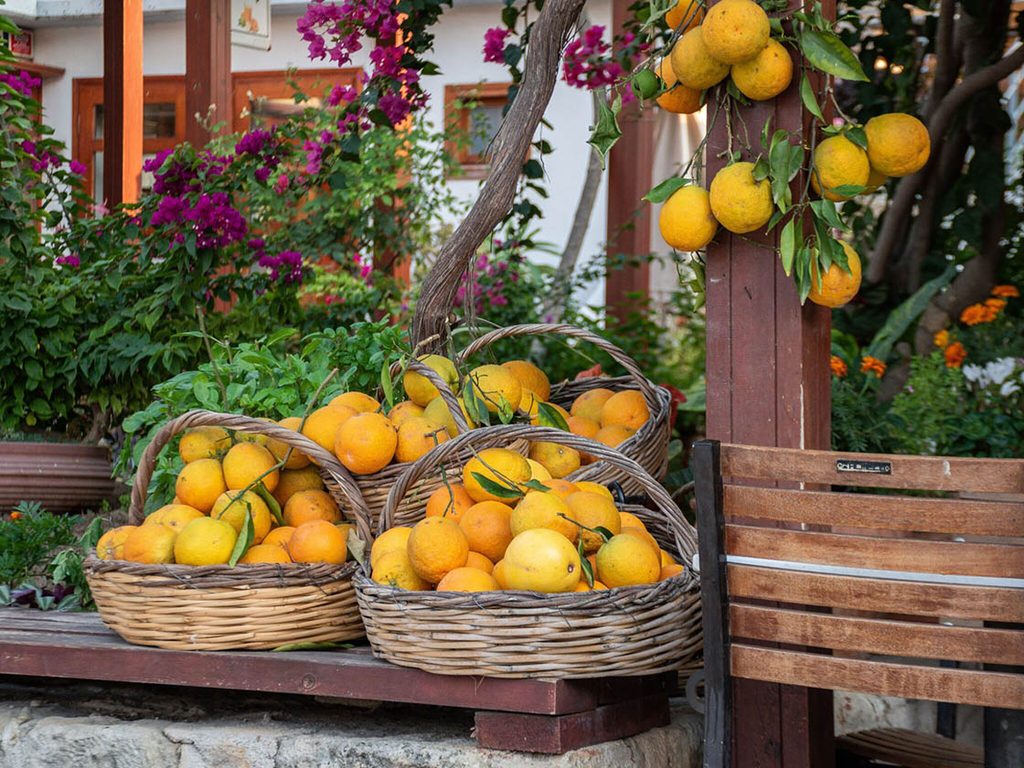
A. Keys ve D. Kromhout'un araştırmalarına göre, Giritliler diğer Akdeniz halklarına ve Kuzey Avrupalılara göre altı kat daha fazla meyve tüketiyor. Mitolojide ilahi bir hediye olarak kabul edilen portakallar, Hanya, Mesara, Fodele ve Mylopotamos'ta yaygın olarak yetiştiriliyor.
Sebzeler ve yeşillikler
Giritliler, Batı dünyasında en çok sebze ve yeşillik tüketen halktır; diğer Avrupalılara göre üç kat daha fazla. Bu, lif, vitamin ve temel besin maddeleri sağlar. Domates, salatalık, kabak ve diğer ürünler verimli ovalarda ve ılıman iklimlerde yetiştirilir.
Girit balı
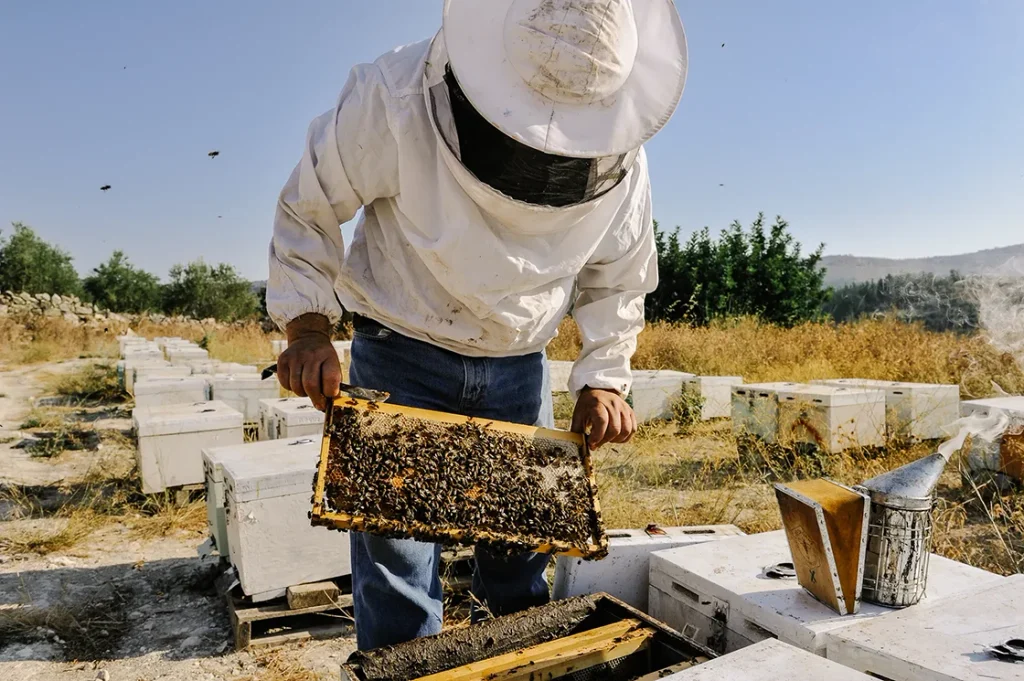
Bal, glikoz dışında başka şekerler de içerdiğinden diyabet hastaları için bile uygundur. Vitamin ve antioksidan bakımından zengindir. Girit balı doğaldır ve kekik, adaçayı, mercanköşk, çam, akasya, turunçgiller gibi endemik bitki örtüsüne sahip bölgelerde üretilir. İşleme süreci doğaldır ve yüksek sıcaklık kullanılmaz.
Girit bisküvileri (paximadi)
Tarihsel olarak Giritliler günlük olarak koyu renkli ekmek tüketirlerdi. Günümüzde, AB tarafından tanınan bir ürün olan Girit paximadi'si, kalitesi ve besin değeri nedeniyle tercih edilmektedir. Ünlü "dakos", galeta unu, taze domates, otlar, zeytinyağı ve bazen de mizithra peyniri içerir.
Girit Salyangozları (chochlioi)
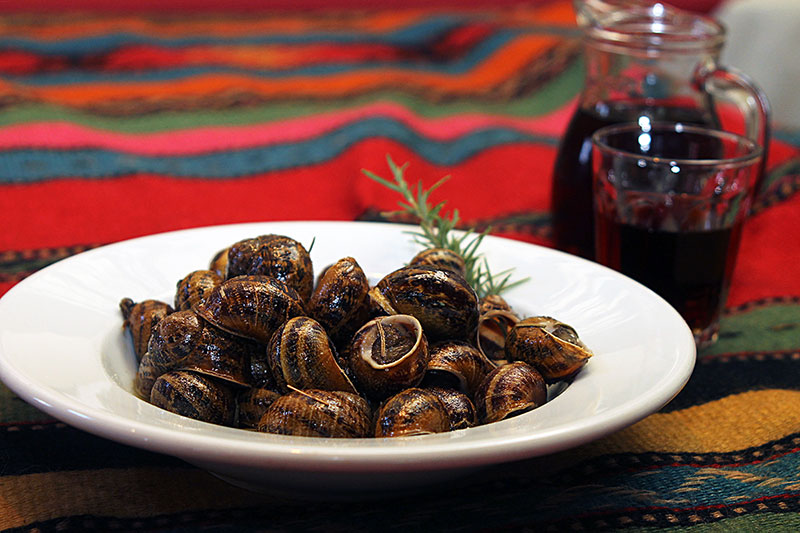
Girit'e özgü bir lezzet olan bu yemek, çeşitli şekillerde pişirilir: kırık buğdayla, patates ve kabakla haşlanarak, kızartılarak veya "“boubouristi.”
Diğer ürünler: kuru üzüm, fındık, keçiboynuzu, aloe vera
Kuru üzüm vitamin açısından zengindir; kuruyemişler temel yağ asitleri sağlar; keçiboynuzu ormanları Doğu Akdeniz'in en büyükleri arasındadır; aloe vera yetiştiriciliği ise ilaç ve kozmetik amaçlı kullanım için artmaktadır.
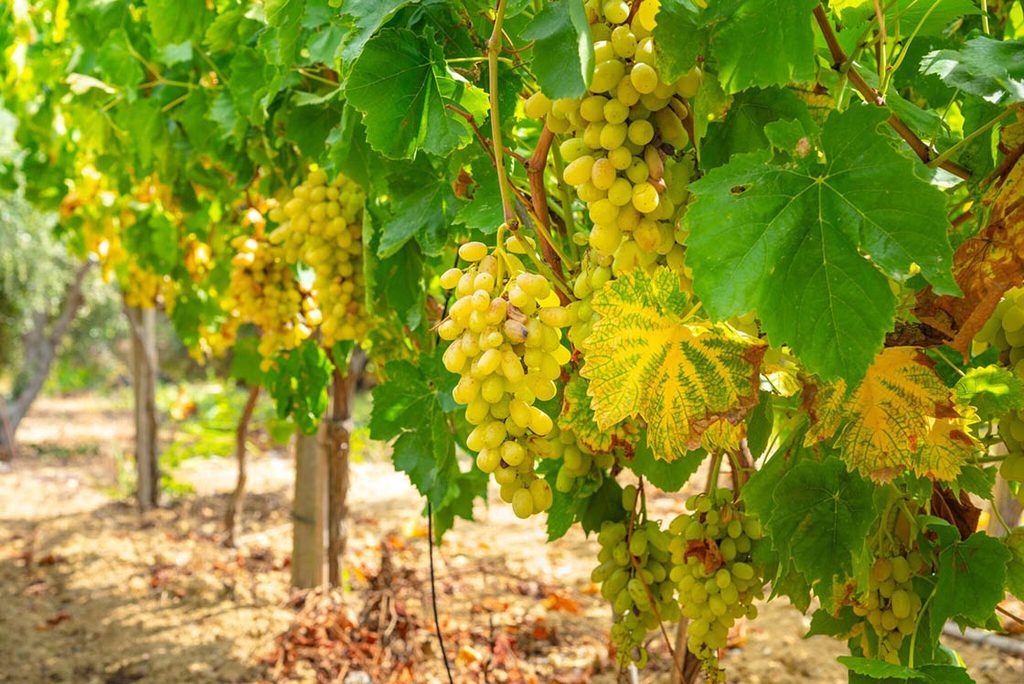
Girit şarabı
Şarap, dostluğun sembolüdür. Girit'in şaraphaneleri, kadim geleneği (en eski şarap presi 3500 yıllık olup Archanes'te bulunmaktadır) modern bilgiyle birleştiriyor. Yerel üzüm çeşitleri, çoğu koruma altına alınmış menşe işaretine sahip mükemmel şaraplar üretmektedir.
Raki / Tsikoudia
Rakı (TsikoudiaYaklaşık 37% alkol içerir. Üzüm hasadından sonra şarap festivalleri başlar, ardından tsikoudia üretimi gelir. "Rakokazano" geleneği 1920 yılında Eleftherios Venizelos tarafından resmileştirilmiştir. Damıtma işlemi "“tsikouda,ve ilk güçlü damıtma ürünü ”protoraki."Bu işlem yaklaşık 18 derecede sona erer. Taze, hoş kokulu rakı kutlamanın habercisidir.".
Girit mutfağı, adayı ziyaret etmek için en cazip nedenlerden biridir. Uzun ömürle özdeşleşmiş Girit diyeti, tüm duyuları cezbeden zengin bir lezzet ve aroma yelpazesi sunar. Adanın endemik yabani yeşillikleri ve aromatik otları, olağanüstü süt ürünleri, meyve ve sebzeler, Girit topraklarının kokularıyla harmanlanmış bal, "boubouristi" salyangozları, xerotigana hamur işleri, kalitsounia ve ünlü gamopilafo, Girit'in lezzetli mutfak haritasını oluşturur ve sizi, her zaman samimi gülümsemeleri ve gerçek misafirperverliğiyle birlikte, bu lezzetleri tatmaya davet eder.
Girit Mutfağı, Girit Diyetinin Mucizesi
Maria ve Nikos Psilakis'in Bir Kitabı
208 sayfa, 265 tarif, yumuşak kapak. Mevcuttur. İngilizce (ISBN: 960-7448-24-3) – Almanca (ISBN: 960-7448-25-1) – Fransızca (ISBN: 960-7448-26-X) – Flemenkçe (ISBN: 960-7448-48-0) – Rusça (ISBN: 978-960-7448-53-8)
Bu kitapta, Girit'te yüzyıllardır korunmuş olan ve yaşam biçimleriyle birlikte bugün "Girit Kültürü" olarak adlandırılan şeyi oluşturan başlıca tarifleri bulabilirsiniz.“Girit diyetinin mucizesi”.